
Merry Christmas

The last heralds of summer
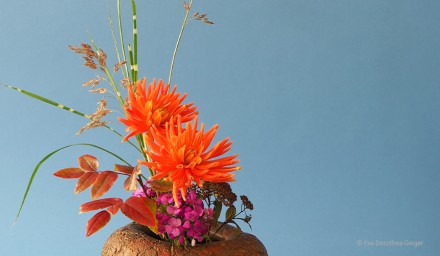
Tsukimi – moon gazing

Kiku no Sekku – Chrysanthemum festival

Lotos - Hasu

Summer in Japan

A new heyday of cannabis

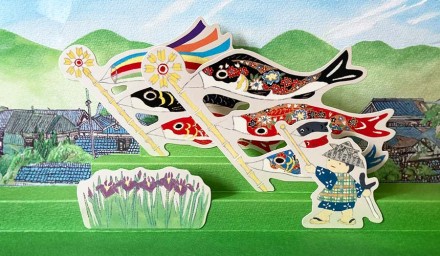
Kodomo no Hi / Childrens day
Mono no aware - The fleetingness of life
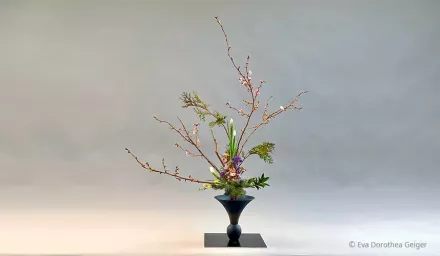
The Japanese cherry / Prunus 染井吉野, also known as Sakura 桜, is one of the most well-known and revered flowers in Japan and has a deep cultural and symbolic meaning.
The cherry blossom heralds the warm part of the year and is not only a sign of spring, but also a symbol of new beginnings, beauty and transience. A symbol of feminine beauty in Japan, its short flowering period of just one to two weeks reminds people to appreciate the beauty of the moment and enjoy life.
Flowering quince branches

The ornamental quince (bot. Chaenomeles) belongs to the rose family (Rosaceae). This plant genus is native to East Asia (Japan, China, Myanmar) and comprises five species. Their flowers are white, salmon-coloured or even red and have a wonderful fragrance. They enrich any garden or park, especially in spring, giving it an Asian ambience. The striking flowers attract bees in particular, but the fruits that appear later are also edible. Quince is one of the most popular ornamental shrubs in gardens and parks.